sales@hu-steel.com
 English
 Español

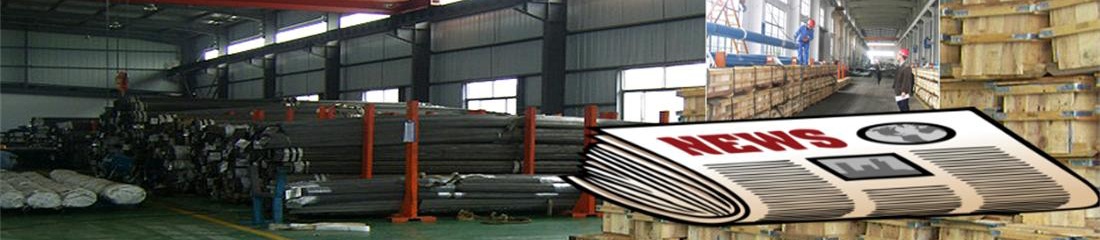
Alloy steel pipe is a steel pipe made from carbon steel, alloy structural steel, or stainless heat-resistant steel. It is manufactured by hot rolling or cold rolling, and is available in both seamless and welded types. It is mainly used in high-pressure and high-temperature environments such as power plants, nuclear power, high-pressure boilers, and high-temperature superheaters. Its 100% recyclability makes it a sustainable choice for the oil, natural gas, and chemical industries.

Seamless alloy steel pipe is manufactured from a solid billet through hot rolling, cold rolling, or cold drawing, forming a pipe without any weld seam. This integral forming eliminates weld weaknesses, giving it higher pressure-bearing capacity and better reliability. It offers high strength, high-temperature resistance, and corrosion resistance, making it widely used for high-pressure, high-temperature, or corrosive media transportation. The cold drawing process additionally provides high precision and a superior surface finish.
Welded alloy steel pipe is produced from alloy steel plate or strip via welding processes such as high-frequency welding (HFW) or submerged arc welding (SAW). It retains the high strength and corrosion resistance of the alloy steel material. Compared with seamless alloy pipe, it offers lower cost and faster delivery, making it suitable for medium and low pressure, large-diameter, or general corrosive service. In special cases, welded pipe combined with heat treatment can partially substitute for seamless pipe, but strict quality control is required.
▶ For a full comparison of the manufacturing processes and costs, see our guide: [Seamless Pipe vs Welded Pipe].
The main material of alloy pipe is alloy steel, that is, one or more alloy elements (such as chromium, nickel, molybdenum, vanadium, titanium, etc.) are added to carbon steel to improve its performance. Common types of alloy pipes include:
| Category | Typical Grades | Key Features | Applications |
|---|---|---|---|
| Chromium-molybdenum alloy (Cr-Mo) | 15CrMo, 12Cr1MoV, P91 (9Cr-1Mo-V) | High temperature & pressure resistance | Boilers, petroleum cracking units |
| Nickel-based alloy | Inconel 600/625 | Acid, alkali, high temperature resistance | Chemical, aerospace, marine |
| Stainless steel alloys | 304, 316L, 2205 (S31803) | High strength + corrosion resistance | Food, seawater treatment, chemical |
| Low temperature alloys | 9Ni | Low temperature toughness | LNG storage and transportation |
6) Customized performance: By adjusting the alloy composition (such as adding molybdenum to increase hardness), specific needs (such as wear-resistant pipes) can be met.
The biggest advantage of alloy steel pipes is that they can be 100% recycled, which is in line with the strategy of environmental protection, energy saving and resource conservation. The demand for high-pressure alloy pipes is growing, especially in power, petrochemical and new energy sectors. Alloy pipes are defined by material, while seamless pipes are defined by production process.
Hot rolled alloy steel pipe: Formed through rolling at high temperatures. It is cost-effective for larger diameters and thick walls, widely used in high-temperature boilers and pipelines.
Cold rolled / cold drawn alloy steel pipe: Higher precision and better surface finish, suitable for smaller diameters and thin walls.
Welding process: Steel plate coil welding, low cost, used in low-pressure environment.
The following table lists the mechanical properties of common alloy steel pipe grades, including tensile strength, yield strength, elongation, and hardness. These values are for reference only; actual properties may vary slightly by production batch and heat treatment. Please refer to the mill test certificate for exact data.
| Standard | Grade | Tensile strength (MPa) | Yield strength (MPa) | Elongation (%) | Hardness |
|---|---|---|---|---|---|
| GB3087 | 10 | 335~475 | ≥195 | ≥24 | / |
| 20 | 410~550 | ≥245 | ≥20 | / | |
| GB5310 | 20G | 410~550 | ≥245 | ≥24 | / |
| 20MnG | ≥415 | ≥240 | ≥22 | / | |
| 25MnG | ≥485 | ≥275 | ≥20 | / | |
| 15CrMoG | 440~640 | ≥235 | ≥21 | / | |
| 12Cr2MoG | 450~600 | ≥280 | ≥20 | / | |
| 12Cr1MoVG | 470~640 | ≥255 | ≥21 | / | |
| 12Cr2MoWVTiB | 540~735 | ≥345 | ≥18 | / | |
| 10Cr9Mo1VNb | ≥585 | ≥415 | ≥20 | / | |
| ASME SA210 | SA210A-1 | ≥415 | ≥255 | ≥30 | ≤143HB |
| SA210C | ≥485 | ≥275 | ≥30 | ≤179HB | |
| ASME SA213 | SA213 T11 | ≥415 | ≥205 | ≥30 | ≤163HB |
| SA213 T12 | ≥415 | ≥220 | ≥30 | ≤163HB | |
| SA213 T22 | ≥415 | ≥205 | ≥30 | ≤163HB | |
| SA213 T23 | ≥510 | ≥400 | ≥20 | ≤220HB | |
| SA213 T91 | ≥585 | ≥415 | ≥20 | ≤250HB | |
| SA213 T92 | ≥620 | ≥440 | ≥20 | ≤250HB | |
| DIN17175 | ST45.8/III | 410~530 | ≥255 | ≥21 | / |
| 15Mo3 | 450~600 | ≥270 | ≥22 | / | |
| 13CrMo44 | 440~590 | ≥290 | ≥22 | / | |
| 10CrMo910 | 480~630 | ≥280 | ≥20 | / |
We supply alloy steel pipes in the following size ranges (Unit: mm):
● Small Diameter (Cold Drawn): OD 10 - 89 mm, WT 2.0 - 20.0 mm. (e.g., 10×2, 14×2-3, 89×4.5-20)
● Medium Diameter (Hot Rolled): OD 95 - 325 mm, WT 4.5 - 42.0 mm. (e.g., 95×4.5-20, 133×4.5-30, 325×8-42)
● Large Diameter (Hot Expanded): OD 325 - 830 mm, WT 10.0 - 65.0 mm. (e.g., 325×28-42, 426×10-35, 830-710×25-65)

Note: Custom sizes are available upon request. All pipes are supplied with Mill Test Certificates.
1. Oil and gas: transport oil, gas or high-temperature and high-pressure media, such as oil drilling pipelines, nuclear power heat exchange tubes.
2. Chemical equipment: acid and alkali corrosion-resistant pipeline systems, reactor linings.5. Aerospace: engine components, fuel pipelines.
● Extreme temperature (high or low temperature)
● Strong corrosive media (such as H₂S, hydrochloric acid)
● Ultra-high pressure (such as oil and gas well casing)
● Special wear-resistant requirements (such as mining slurry pipes)
| Selection Factor | Consideration |
|---|---|
| Temperature | ≤400°C: carbon steel; 400-600°C: Cr-Mo; >600°C: stainless steel |
| Pressure | High pressure: seamless pipes; low pressure: welded pipes |
| Medium | Acid/alkali: 316L; H₂S corrosion environment: sulfur-resistant pipes |
| Certification | ASTM, GB, API; UT and hydrostatic testing when necessary |
Note: In some cases, welded pipe with heat treatment (normalizing, quenching) can partially replace seamless pipe, but strict quality control is required.
Q1: What is the difference between alloy steel pipe and carbon steel pipe?
Alloy steel pipe contains alloying elements such as chromium, nickel, and molybdenum to improve high-temperature strength and corrosion resistance. Carbon steel pipe is mainly used for general fluid transport.
Q2: What is the difference between seamless and welded alloy pipe?
Seamless alloy pipe has no weld seam, providing uniform strength for high pressure. Welded alloy pipe is made from plate or strip with a weld seam, which is more cost-effective for lower pressure applications.
Q3: What is the most common alloy steel pipe material?
Common materials include chromium-molybdenum steel (15CrMo, P91), stainless steel (304, 316L), and nickel-based alloys (Inconel 625). The choice depends on temperature, pressure, and corrosive environment.
Q4: Can alloy steel pipe be hot rolled or cold drawn?
Yes. Hot rolled alloy steel pipe is used for larger diameters and thicker walls. Cold drawn alloy steel pipe offers higher precision and better surface finish for smaller diameters.
Read more:
● ASTM A335 Alloy Steel Seamless Pipe
● 304 vs. 316 Stainless Steel: What's the Difference?
● Seamless alloy steel pipe vs. Seamless carbon steel pipe
● Alloy Seamless Steel Pipe: Grades, Standards & Applications
Related information
Copyright @2017 Hunan Standard Steel Co.,Ltd and Husteel Industry Group All Rights Reserved