sales@hu-steel.com
 English
 Español
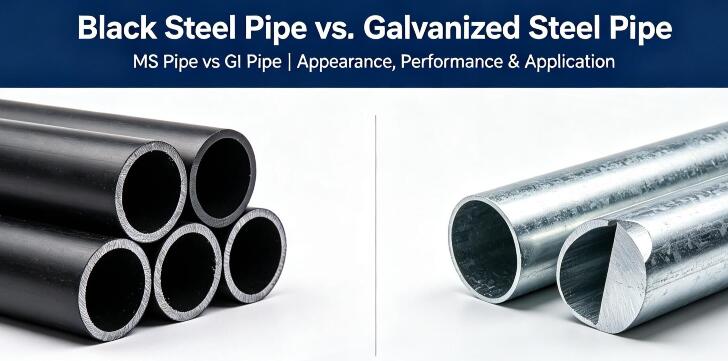
Black steel pipe and galvanized steel pipe are two of the most common types of pipe used to transport liquids and gases. The key difference is that galvanized pipe has a zinc coating for corrosion protection, while black steel pipe does not. This guide compares their properties, uses, cost, and how to tell them apart to help you choose the right pipe for your project.
|
Feature |
Black Steel Pipe |
Galvanized Steel Pipe |
|
Coating |
None (natural iron-oxide scale) |
Zinc coating |
|
Corrosion Resistance |
Low; rusts easily if unprotected |
High; protects against rust and mineral deposits |
|
Common Uses |
Gas lines, fire sprinklers, structural applications |
Water supply, outdoor piping, handrails, scaffolding |
|
Cost |
Lower |
Higher (due to galvanizing process) |
|
Color |
Dark / flat black |
Silver / gray |
|
Fire Resistance |
More fire-resistant; no toxic fumes |
Zinc coating can emit toxic fumes at high temperatures |
Black steel pipe and galvanized steel pipe are both made of steel, but the presence of a zinc coating is the key difference. Galvanized pipe is more expensive and more corrosion-resistant, while black steel pipe is cheaper and more fire-resistant.
Black steel pipe tends to erode more easily than galvanized pipe when exposed to moisture. For this reason, black steel pipe is preferred for gas transportation (natural gas, propane), while galvanized pipe is better suited for water supply.
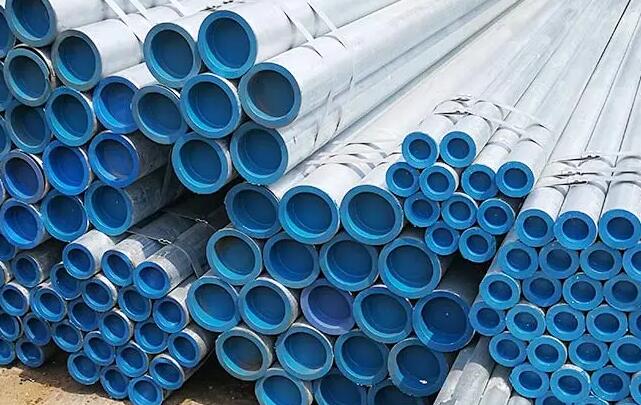
Galvanized steel pipe covered with a layer of zinc which makes it have higher ability of corrosion protection and help to prevent the accumulation of mineral deposits that will block the pipe. Galvanized pipe is mainly used for carrying water to supply home and commercial buildings; it is also serve as scaffolding frames because of its rust prevention. Black steel pipe is manufactured as seamless which makes it a better type for gas transportation. It can be used for fire sprinkler system since it can prevent fire better than galvanized pipe. Since it has a dark color surface that is form by iron oxide during the manufacturing process, it is called black steel pipe. The main difference between steel pipe and galvanized pipe lies in the surface. Black steel pipe is uncoated and made without steam, and therefore, it is widely used for transporting gas like propane and natural gas to residential and commercial building.
General speaking, black steel pipe is cheaper than galvanized pipe. This is due to the zinc coating on galvanized pipe and the manufacturing process making it. Black steel pipe is low maintenance; it costs less to the fitting.
3. Installation Year: If the pipe was installed after the 1950s, it is more likely to be black steel pipe (though this is not a reliable method).
4. High service life requirements.
Q1: Which pipe is more durable, black steel or galvanized?
A: Galvanized pipe is more durable in corrosive environments due to its zinc coating. Black steel pipe is durable but requires protection from moisture to prevent rust.
Q2: Can I use black steel pipe for drinking water?
A: No. Black steel pipe is not suitable for drinking water or long-term water exposure as it rusts easily and can contaminate the water.
Q3: Can galvanized pipe be used for natural gas?
A: It is generally not recommended. Over time, zinc flakes can detach and block gas lines, and the zinc coating can also react with gas components.
Q4: Is black steel pipe cheaper than galvanized pipe?
A: Yes. Black steel pipe is lower in cost due to the absence of the zinc coating and simpler manufacturing process.
Q5: Can the two pipes be welded together?
A: Yes, but special precautions are required. The zinc coating on galvanized pipe must be removed from the weld area first, as it produces toxic fumes when heated.
Related Resources:
● Carbon Steel vs Black Steel: Key Differences
● Schedule 40 Black Carbon Steel Pipe
● ERW Pipe Wall Thickness Size Chart
● Guide for Selecting the Thickness of Galvanized Steel Pipe
Related information
Copyright @2017 Hunan Standard Steel Co.,Ltd and Husteel Industry Group All Rights Reserved