sales@hu-steel.com
 English
 Español

Acceptance rules are essential for ensuring that carbon seamless steel pipes meet the required quality standards before they are put into service. This guide covers the key acceptance rules, including inspection responsibilities, sampling requirements, batch definition, re-test procedures, and non-conformance handling, to help engineers and QC professionals understand the process.
● Inspection responsibility: Quality inspection and acceptance of carbon seamless steel pipes shall be carried out by the supplier's technical quality supervision department.
● Supplier guarantee: The supplier must ensure that delivered pipes comply with the relevant product standards. The purchaser has the right to inspect and verify the product according to those standards.
● Batch acceptance: Carbon seamless steel pipes shall be submitted for acceptance in batches. The grouping rules shall be consistent with the corresponding product standards.
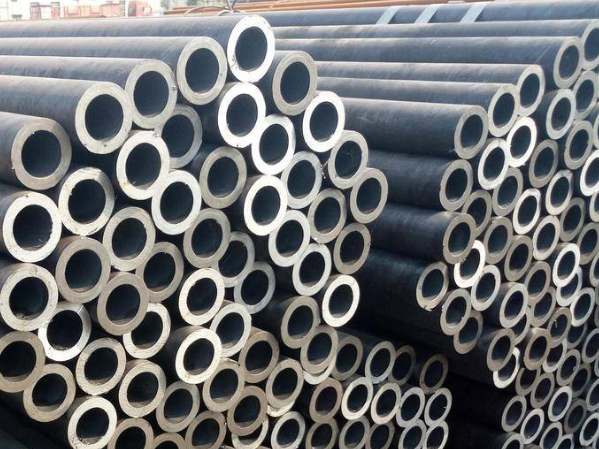
For acceptance purposes, a batch typically consists of pipes of the same:
● Steel grade (e.g., ASTM A106 Gr.B)
● Pipe Size (same NPS and wall thickness)
● Heat number (same smelting batch)
● Heat treatment condition (same process and parameters)
The exact batch size and grouping rules shall follow the applicable product standard. If not specified, the manufacturer and purchaser may agree on the batch definition.
| Inspection Item | Re-Test Allowed? | Reason / Notes |
|---|---|---|
| Chemical composition | ✅ Allowed | Based on heat analysis |
| Tensile test | ✅ Allowed | Double sampling for re-test |
| Flattening test | ✅ Allowed | — |
| Hydrostatic test | ✅ Allowed | — |
| Non-destructive testing (NDT) | ✅ Allowed | UT, ECT, etc. |
| Low-magnification structure (white spots) | ❌ Not allowed | Internal cracks from hydrogen embrittlement; indicates systemic steelmaking issue |
| Microstructure | ❌ Not allowed | Heat treatment process failure; batch-level quality issue |
Sampling quantity and location: The number of samples and sampling locations shall be in accordance with the corresponding product standard.
Sampling method: With the purchaser's consent, hot-rolled seamless steel pipes may be sampled by rolling the root array.
Typical sampling positions: Samples are usually taken from the pipe ends or the pipe body, depending on the test item. For tensile testing, samples are typically taken longitudinally from the pipe body.
● Initial failure: If the test results of a carbon seamless steel pipe do not comply with product standards, the non-conforming pipe shall be singled out. From the same batch, double the number of samples shall be taken for re-testing the failed item.
● Re-test result: If any requirement in the re-test fails, the pipe shall not be delivered.
● Items not allowed for re-test: The following items are not allowed for re-inspection if they fail the initial test:
A. White spots in low-magnification structure.
B. Microstructure.
Why these items cannot be re-tested:
a. White spots in low-magnification structure: White spots are internal cracks caused by hydrogen embrittlement. They are extremely dangerous defects that reduce strength and toughness and can become fracture origins. Their presence indicates a systemic issue with hydrogen control in the steelmaking process, making re-test ineffective.
b. Microstructure: Microstructure failure indicates that the heat treatment process did not achieve the required metallurgical structure. This is a batch-level quality issue that cannot be resolved by re-testing individual samples. However, the supplier may re-heat treat the pipes (up to two times) and submit them as a new batch for acceptance.
Q1: What happens if a pipe fails the re-test?
A: If the re-test fails, the pipe shall not be delivered. The supplier may submit the pipes for acceptance on a per-root basis or re-heat treat them (up to two times) and submit as a new batch.
Q2: Which items are not allowed for re-inspection?
A: White spots in low-magnification structure and microstructure are not allowed for re-inspection if they fail the initial test.
Q3: How is a batch defined for acceptance?
A: A batch usually consists of pipes from the same heat, same size, and same heat treatment condition. Refer to the applicable product standard for specific batch size limits.
Q4: How are samples taken for hot-rolled seamless pipes?
A: With the purchaser's consent, hot-rolled seamless steel pipes may be sampled by rolling the root array. Typical sampling positions are the pipe ends or pipe body, depending on the test item.
Read more:
● Difference between the Heat No. and Lot No.
● Non-destructive Testing of Seamless Steel Pipes
● Hydrostatic Test of Seamless Steel Pipes
● Seamless Pipe Hydrostatic Test Failure: 5 Common Causes & Solutions
Related information
Copyright @2017 Hunan Standard Steel Co.,Ltd and Husteel Industry Group All Rights Reserved