sales@hu-steel.com
 English
 Español
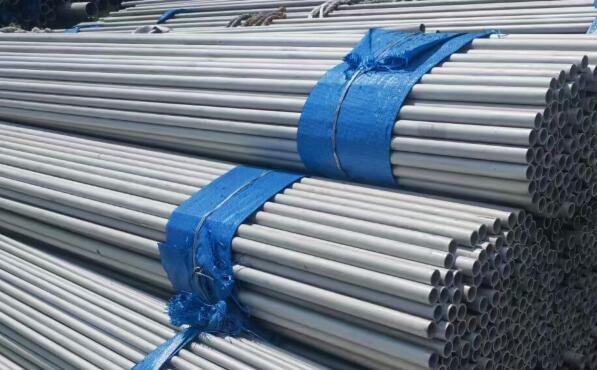
Corrosion-resistant seamless steel pipes & tubes are seamless steel pipes that maintain stable performance in corrosive media through the addition of alloying elements (such as chromium, nickel, molybdenum, etc.) or special processing. These seamless pipes meet the rigid requirements of specific harsh environments.
In oil and gas extraction, especially deep well and shale gas extraction, pipes face multiple challenges from high temperatures, high pressures, and highly corrosive media.
● Acidic Environments: Crude oil and natural gas often contain acidic gases such as hydrogen sulfide (H₂S) and carbon dioxide (CO₂). These substances form acidic solutions when they come into contact with water, easily causing sulfide stress corrosion cracking (SSC) and hydrogen-induced cracking in ordinary carbon steel.
●Extreme Indicators: For example, in the ultra-deep wells of the Tarim Oilfield, the bottom-hole temperature reaches 180℃ and the pressure reaches 150MPa. Corrosion-resistant pipes can reduce the H₂S corrosion rate by more than 70% compared to ordinary pipes.●Special Materials: Super duplex stainless steel seamless pipes are widely used in this field due to their excellent resistance to seawater corrosion and high-pressure resistance. For example, special steel pipes resistant to seawater corrosion, with a designed service life of up to 120 years, were used in major projects such as the Hong Kong-Zhuhai-Macau Bridge.
FAQs:
Q1: What is the difference between corrosion-resistant seamless steel pipes and ordinary seamless steel pipes?
A: The main difference lies in the material composition and corrosion resistance:
Ordinary carbon steel seamless pipes: Primarily composed of iron and carbon, they have poor corrosion resistance and are prone to rusting and perforation in humid or acidic/alkaline environments.
Corrosion-resistant seamless steel pipes: Contain alloying elements such as chromium, nickel, and molybdenum, forming a dense passivation film on the surface, effectively resisting chemical corrosion, electrochemical corrosion, and stress corrosion cracking.
Q2: What is the corrosion resistance principle of corrosion-resistant seamless steel pipes?
A: The core principle is passivation film protection.
When the chromium content in the steel reaches 10.5% or more, a very thin (approximately a few nanometers) and dense chromium-rich oxide film (Cr₂O₃) will form on the surface in an oxidizing environment. This film effectively isolates the metal substrate from contact with corrosive media, and even if locally damaged, it can quickly self-repair in the presence of oxygen.
Q3: What are the commonly used materials for corrosion-resistant seamless steel pipes?
A: Commonly used materials can be categorized as follows based on corrosion resistance and application:
● Austenitic Stainless Steel: 304, 304L, 316, 316L – Excellent overall corrosion resistance and processing performance (e.g., food and pharmaceutical, chemical equipment, building decoration).
● Duplex Stainless Steel: 2205, 2507 – High strength, resistant to chloride stress corrosion (e.g., marine engineering, seawater desalination, oil and gas extraction).
● Nickel-Based Alloys: Inconel 625, Hastelloy C-276 – Resistant to extreme corrosion and high temperatures (e.g., strong acids and alkalis, high-temperature and high-pressure chemical reactors).
● Titanium and Titanium Alloys: TA2, TC4 – Low density, excellent resistance to seawater corrosion (e.g., shipbuilding, marine engineering, biomedical industry).
● Copper Alloys: BFe10-1-1, BFe30-1-1 – Resistant to seawater erosion corrosion (e.g., seawater pipelines, heat exchangers).
Q4: What are the differences between 304 and 316 stainless steel seamless pipes? How to choose between them?
A:
304: Contains 18% chromium and 8% nickel, it is a general-purpose stainless steel suitable for general corrosive environments (such as food, pharmaceutical, and construction).
316: Based on 304, it adds 2%-3% molybdenum, significantly improving its resistance to pitting corrosion and acid/alkali corrosion, making it particularly suitable for chloride-containing environments (such as seawater, salt spray, and chemical media).
Q5: How to select the appropriate corrosion-resistant pipe material based on the operating environment?
A:
Identify the corrosive medium: Is it acidic, alkaline, salt spray, or seawater? What are the concentration and temperature of the medium?
Determine the operating conditions: Design temperature, design pressure, and whether there is a risk of stress corrosion?
Material selection comparison:
General corrosion (food, pharmaceutical) → 304/304L
Chloride ion corrosion (seawater, salt spray) → 316/316L or duplex stainless steel
Strong acids and alkalis (sulfuric acid, hydrochloric acid) → Nickel-based alloys or titanium alloys
High temperature and high pressure corrosion (chemical reactors) → Duplex stainless steel or nickel-based alloys
Conclusion:
Applications requiring corrosion-resistant seamless steel pipes typically possess one or more of the following characteristics: high temperature, high pressure, high acid, high salinity, or extreme cold. In these scenarios, the lifespan of ordinary carbon steel is often only a few months or even shorter, resulting in high maintenance costs and significant safety risks. Corrosion-resistant pipes can have their service life increased by adding alloying elements such as chromium, nickel, molybdenum, and titanium, which can alter the electrochemical properties of the material from within.
Read more: Stainless Steel ERW vs. Seamless Pipe
Related information
Copyright @2017 Hunan Standard Steel Co.,Ltd and Husteel Industry Group All Rights Reserved