sales@hu-steel.com
 English
 Español
What is P110 Casing Pipe?
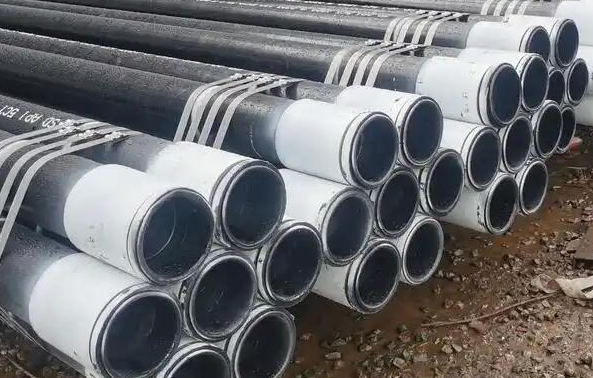
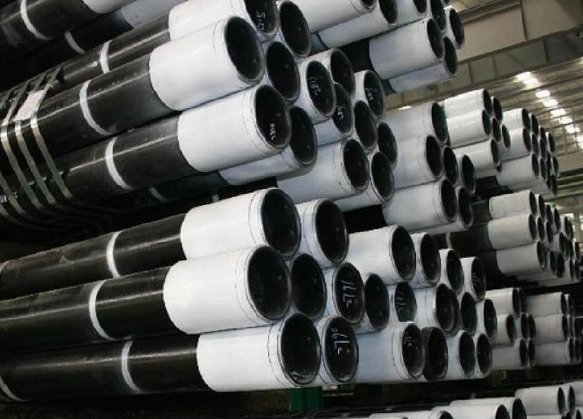
P110 is a high-strength casing pipe steel grade used in oil and gas drilling, specifically for deep wells, high-pressure wells, and high-requirement sections, according to API 5CT standards. It is the mainstream material for technical and production casing. P110 casing is mostly high-grade seamless steel pipe specifically for oil and gas, widely used in shale gas extraction, coalbed methane development, and geothermal well construction.
"P": Indicates that it is a steel grade that has undergone quenching and tempering processes.
"110": Indicates that its minimum yield strength is 110,000 psi (approximately 758 MPa).
Not Sulfur-Resistant: P110 steel does not resist hydrogen sulfide stress cracking. Therefore, it is strictly prohibited for use in acidic oil and gas environments containing hydrogen sulfide. In such environments, sulfur-resistant steel grades such as L80, C90, and T95 must be used.
Carbon content directly affects the strength grade of P110; exceeding 0.35% may increase weld crack susceptibility. The synergistic effect of chromium and molybdenum helps it maintain stability in sulfur-containing environments.
Chemical Composition and Mechanical Properties:
Chemical Composition:
Carbon: 0.26-0.35%, Manganese: 1.20-1.60%, and contains alloying elements such as chromium and molybdenum to improve hardenability and strength.
Mechanical Properties:
Yield Strength: 110,000 - 140,000 psi (758 - 965 MPa)
Tensile Strength: ≥ 125,000 psi (862 MPa)
Hardness: ≤ 32 HRC (Requires strict control to reduce cracking risk)
Both have similar heat treatment processes, but L80's chemical composition and hardness control give it sulfur resistance. In sulfur-containing environments, even if the pressure requirements necessitate the strength of P110, a high-strength sulfur-resistant steel grade, such as C95 or T95, must be selected; P110 should never be used.
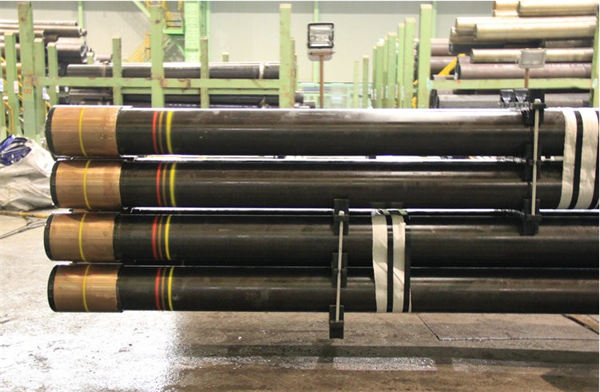
P110 casing is generally made of high-strength steel to ensure structural stability and integrity in extreme underground environments. Its yield strength and tensile strength are carefully designed to meet the specific needs of different oil wells.
2. Size and Specifications
P110 casing comes in various sizes and specifications to accommodate different well diameters and depths. Common specifications include different outer diameters, wall thicknesses, and lengths, allowing users to choose the appropriate specification based on their actual needs.
3. Corrosion Resistance
Since oil well environments often contain corrosive substances, P110 casing has an optimized alloy composition during manufacturing. P110 can resist H₂S corrosion, extending its service life.
4. Hardness
Hardness is an important indicator of the softness or hardness of a metallic material. For P110 casing, its hardness value directly affects its service life and compressive strength. Generally, P110 casing has moderate hardness, ensuring sufficient strength while avoiding excessive hardness that could lead to increased brittleness. The specific hardness value needs to be determined based on the different manufacturers' process standards and heat treatment methods, and is usually detailed in the product manual.
5. Connection Method
The connection method of P110 casing is also very important, as it relates to the sealing and structural stability between the casings. Common connection methods include threaded connections and welding; the choice depends on specific engineering requirements and safety standards.
The Role of P110 Casing Pipe:
The P110 casing pipe has played an important role in well operation. They protect the well from the shallow and shallow layers of the well and can also support oil and gas well oil and gas delivery and drilling. Support the weight of the wellhead and other layers to prevent collapse. And to ensure the well drilling, well well after well completion of the well operation, to ensure that the pipeline can be well oil, gas pumped to the ground up.
Let the casing pipe part of the external force squeezed, so that the pressure in the external force, so that the gap to reduce or reduce the gap. If the oil casing of the punch in the tube along the axial direction, you can use straight seam welding.
Conclusion:
P110 casing pipe is a key piece of equipment for the oil industry moving towards deep formations and high-pressure areas. It represents the pinnacle of conventional steel performance, providing engineers with a reliable, economical, and high-strength solution. As long as the downhole environment is free of hydrogen sulfide and faces challenges in depth or pressure, P110 is highly likely to be a core choice in the design.
Read more: Seamless Casing Specifications or Service Life of Oil Casing Pipe
Related information
Copyright @2017 Hunan Standard Steel Co.,Ltd and Husteel Industry Group All Rights Reserved