Why Use Casing Pipes in Borewells? What Are the Benefits?
Using casing pipes in Borewells is like installing a skeleton and protective wall for the well. This is not only a construction necessity but also for work safety, preventing groundwater contamination, and ensuring the well can be used reliably for many years.
Using casing is a core safety measure in drilling engineering. Its benefits and functions are as follows:
1. Supporting the Wellbore and Preventing Collapse
During drilling, the wellbore rock and soil lose their original support and are prone to collapse. Casing pipe provides structural support, maintaining the long-term stability of the wellbore. It acts like the wellbore's skeleton, ensuring the stability of the wellbore for decades after drilling is completed.
Function: Provides a permanent, stable, and safe vertical passage for drilling tools and pumping equipment.
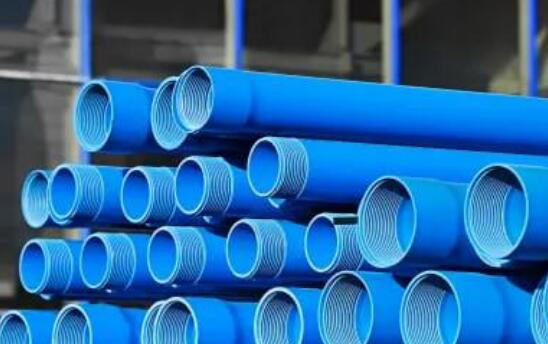
2. Isolate Formations and Prevent Contamination
Multiple pressure systems exist downhole, such as high-pressure zones, low-pressure zones, and freshwater zones. Casing, combined with cement sealing, effectively isolates oil, gas, and water layers at different pressures, preventing contaminants (such as surface water, bacteria, or chemicals) from seeping into and contaminating clean groundwater.
Function: Forms a safety barrier, protecting groundwater resources and ensuring safe water extraction.
3. Creates a Channel for Production
Casing is the final channel for fluids to reach the surface. Tightly bonded to the cement sheath, it can withstand high pressure and ground stress, providing a solid guarantee for long-term production and ensuring stable production of oil or water wells for decades.
Function: In oil wells, it provides a pathway for flowing or pumping operations; in water wells, it protects equipment such as submersible pumps.
4. Improved Durability and Cost Savings
By protecting the wellbore and preventing corrosion and scaling, casing significantly extends the well's service life. High-quality uPVC casing is known for being "maintenance-free," with a lifecycle cost far lower than traditional metal pipes.
Function: Reduces high maintenance and retrieval costs in the later stages, ensuring long-term investment benefits.
What is a Borewell?
A Borewell is a deep, narrow well drilled underground to obtain deep groundwater. Through advanced drilling technology, depths of hundreds of meters can be reached, providing a sustainable water supply solution for areas lacking surface water resources.
Core Piping Components of a Borewell System:
A complete Borewell system relies on two independent yet complementary piping systems:
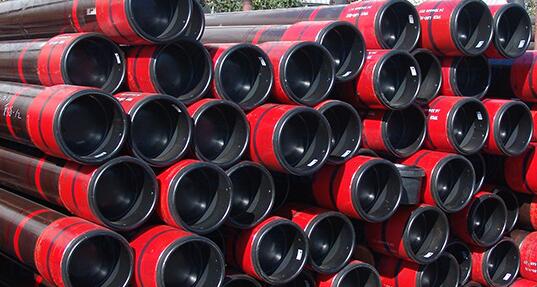
● Casing Pipes: Installed inside the borehole wall, tightly fitted to the borehole surface, and permanently retained in the well. Its main functions include: preventing well wall collapse; isolating surface contaminants and shallow, low-quality water; and providing an installation channel for submersible pumps and risers.
●
Riser (also known as a riser or ascender pipe): Installed inside the casing, connecting the submersible pump at the bottom of the well to the surface outlet. Its main functions are: transporting groundwater from the aquifer to the surface; replaceable and removable for maintenance; the material typically requires a smooth, corrosion-resistant inner wall.
Borewells provide water for many important applications:
Agricultural Irrigation: For irrigation of farmland and crops
Domestic and Commercial Use: For drinking water and sanitation
Industrial Water: For some industrial applications
Key Quality Requirements:
Given the harsh operating environment of Borewells (deep pressure, groundwater corrosion, long-term service), both casing and riser pipe must be manufactured using high-quality materials, but the selection criteria differ:
a. Casing focuses on resistance to external pressure, corrosion resistance, and long service life.
b. Riser pipe focuses on resistance to internal pressure, smooth inner wall, and ease of tripping in and out.
Casing Classification and Material Selection:
The choice of casing material depends primarily on the drilling depth and intended use. Currently, there are two main options on the market: traditional steel casing and modern plastic (uPVC) casing.
Material Type
|
Steel
|
Plastic (uPVC)
|
Advantages
|
Extremely high strength, resistant to deep ground pressure and high pressure.
|
Corrosion resistant, lightweight, maintenance-free, service life ≥ 50 years.
|
Application
|
Deep and ultra-deep oil and gas wells, and wells in complex geological structures.
|
Drinking water wells, agricultural irrigation, monitoring wells, and conventional geothermal wells.
|
Cost Considerations
|
High material and installation costs; susceptible to corrosion.
|
High cost-effectiveness; transportation and installation costs can be reduced by up to 40%.
|
Note: uPVC (rigid polyvinyl chloride) is a specially processed, rigid plastic pipe, completely different from the soft plastic pipes commonly used to wrap electrical wires. Although it is not resistant to high temperatures or pressures, it performs excellently in corrosion resistance and well wall support. This is why uPVC has become the most common alternative to traditional steel pipes in deep water wells and agricultural irrigation wells.
Conclusion:
Installing casing pipe in the wellbore provides a fundamental guarantee for the safe, stable, and efficient operation of the entire well for decades with a one-time engineering investment, while protecting groundwater resources from pollution.
Read more: Types of Drilling Casing Pipe or Casing Pipe Price & Cost
 sales@hu-steel.com
 English
 Español