Do Carbon Steel Seamless Pipes Need to Be Galvanized? — Working Condition Analysis and Alternative Solutions
Yes, carbon steel (CS) seamless pipes can be galvanized, but it's not mandatory. Galvanizing is a surface anti-corrosion process that forms a zinc layer on the steel pipe surface to isolate corrosive media and extend its service life. Whether galvanizing is needed depends entirely on the pipeline's operating environment, the medium it transports, and specific specifications (such as fire protection or water supply).
According to national standards, galvanizing steel pipes is "custom-made"—it is agreed upon by both the supplier and the buyer and specified in the contract that the steel pipe can be delivered galvanized. This means that galvanizing is not a mandatory requirement, but an optional solution under specific operating conditions.
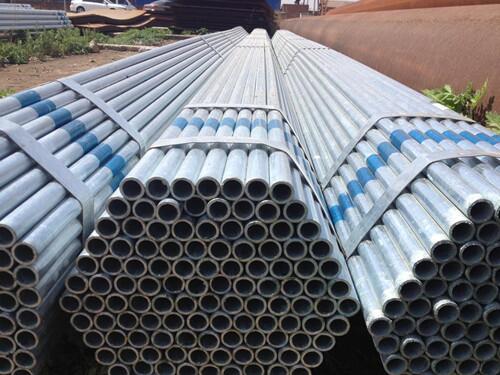
Just like whether an umbrella needs a thicker coating, it depends on whether it's used in a drizzle or a storm. Ordinary dry indoor environments usually don't require extra protection, but when exposed to humid or corrosive environments for a long time, the galvanized layer is like putting a raincoat on the steel pipe, significantly extending its service life.
The Material's Inherent Protective Capabilities:
High-quality steel itself has certain corrosion resistance properties, just like some people are naturally more resistant. Through reasonable alloy composition design, some
seamless steel pipes can meet normal usage requirements even without galvanizing. However, it's important to note that this "natural resistance" can fluctuate due to factors such as environmental pH and temperature changes, requiring professional assessment.
When is Galvanizing Necessary or Strongly Recommended?
Galvanizing is a necessary anti-corrosion measure when seamless carbon steel pipes face humid, corrosive environments or are exposed to the outdoors for extended periods. Specifically, this includes:
1. Outdoor or Humid Environment Applications
Municipal Engineering: Urban water supply and drainage pipelines, gas transmission pipelines, streetlight poles, traffic sign poles, and other outdoor facilities;
Building Structures: Scaffolding, steel structure supports, outdoor railings, roof drainage pipes;
Agricultural Facilities: Greenhouse frames, farmland irrigation pipelines, livestock enclosures (long-term exposure to wind, rain, and soil);
2. Corrosive Conditions in Industrial Sector
Auxiliary pipelines in industries such as chemical and mining are subject to accelerated corrosion of ordinary carbon steel due to acidic or alkaline gases and moisture in the environment;
Industrial water and gas transmission pipelines (non-strong corrosive media) can benefit from galvanizing as an economical and effective anti-corrosion solution.
3. Fire Protection System Pipelines
Fire protection pipelines typically require galvanized inner and outer walls for corrosion protection to ensure long-term reliability.
4. Plumbing and Gas Pipelines
Pipelines transporting domestic and heating water (must meet drinking water standards);
Some low-pressure gas transmission pipelines.
5. Applications Requiring Higher Service Life
Hot-dip galvanized round pipes have a service life 3-5 times longer than ordinary ungalvanized round pipes;
The zinc coating acts as a sacrificial anode, effectively protecting the steel substrate from corrosion.
When can Galvanizing be Omitted?
● Dry indoor environments, such as ordinary structural supports, equipment brackets, and non-water-related pipelines in home renovations, where there is no risk of moisture or corrosion.
● Transporting non-corrosive media in dry environments, such as ordinary industrial gas transmission pipelines, lubricating oil, and hydraulic oil pipelines (oils themselves have rust-preventing properties).
● Pipelines with existing anti-corrosion measures, such as those coated with polyethylene, epoxy resin, or other plastic coatings.
● High-temperature and high-pressure conditions. The zinc coating may become brittle at high temperatures, making it unsuitable for harsh environments with high temperature and pressure.
● Strong corrosive media such as strong acids and alkalis.
● Temporary or short-term projects.
Choosing a Galvanizing Method: Hot-Dip Galvanizing vs. Cold Galvanizing
If galvanizing is required, a suitable galvanizing process must be selected. For most seamless steel pipes requiring corrosion protection,
hot-dip galvanizing is the preferred choice due to its thick coating, strong adhesion, and long service life. Cold galvanizing, also known as electro-galvanizing, offers moderate corrosion protection but is suitable for indoor, dry, and decorative applications, and is less expensive.
Precautions for Using Galvanized Seamless Steel Pipes:
a. Welding Issues: Welding galvanized steel pipes produces toxic zinc fumes, requiring ventilation and protective measures, as well as special welding processes.
b. Coating Protection: Damaged areas must be repaired with galvanizing or coated with anti-corrosion paint after cutting and welding.
c. Material Restrictions: Only high-quality carbon steel and low-alloy steel with a yield strength ≤ Q460 can be galvanized. High-strength steel may be at risk of hydrogen embrittlement.
d. Visual Inspection: The galvanized layer on both the inner and outer surfaces should be intact, without any uncoated black spots or bubbles.
Alternatives to Galvanizing:
Besides galvanizing, other protective methods are available. For example, applying a special coating is like applying sunscreen to the steel pipe, effectively isolating it from corrosive media; or using cathodic protection technology is like equipping the steel pipe with "corrosion-resistant bodyguards," actively inhibiting corrosion through electrochemical means. Other options include epoxy resin coatings, 3PE coatings, plastic lining, and direct replacement with corrosion-resistant materials such as stainless steel or weathering steel.
The choice of method requires comprehensive consideration of factors such as cost, construction conditions, and maintenance cycles. For buried long-distance pipelines, a combination of 3PE coating and cathodic protection is generally recommended; epoxy coatings are preferred for drinking water pipelines; and for highly corrosive environments, direct material replacement is more reliable.
Read more: GI Seamless Pipe vs. GI Welded Pipe or MS and GI Pipe Difference
 sales@hu-steel.com
 English
 Español