sales@hu-steel.com
 English
 Español
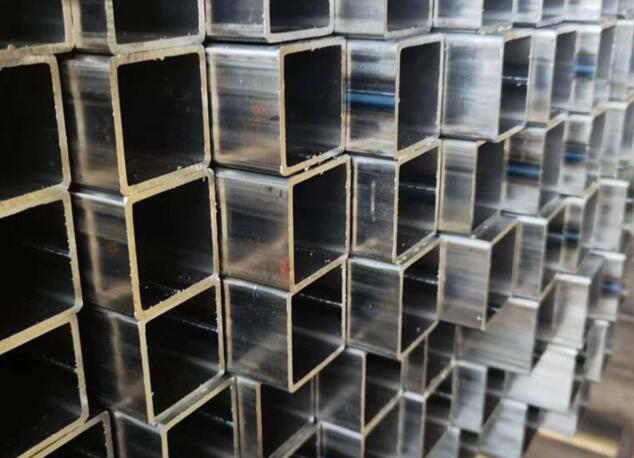
● Standards: The treated surface should be uniform and rough (feeling like fine sandpaper), without obvious rust spots or oil stains.
● Customer Tips:
If the square tube surface is still blackened or has rust spots, the treatment is inadequate, and the coating is prone to blistering and peeling later.
Primer must be applied within 4 hours of sandblasting; otherwise, the freshly treated surface will rust again.
|
Application Environment |
Recommended Solution |
Brief Explanation |
|
Indoor, Dry Environment |
Ordinary Anti-rust Paint (e.g., alkyd paint) |
Dustproof, moisture-proof, lowest cost |
|
Outdoor, General Industrial Area |
Epoxy Zinc-Rich Primer + Polyurethane Topcoat (Two or Three Coats) |
The zinc-rich primer acts as a "sacrifice" to protect the steel, while the topcoat provides sun and rain resistance. |
|
Seaside, Chemical Plants, Underground |
Hot-dip Galvanizing or 3PE Anti-corrosion Layer |
The zinc layer provides "self-sacrificing" protection; even if scratched, it is not prone to rusting, with a lifespan of over 20 years. |
● Customer Avoidance Guide:
Applying paint during the rainy season without a dehumidifier in the workshop will almost certainly result in paint problems. One bridge project suffered significant losses due to having to rework the entire batch because of the cold winter weather.
● Long-term maintenance:
Inspect every 2-3 years: Focus on welds, edges, and joints for rust or paint damage.
Repair minor damage promptly: Don't wait until a large area rusts before repairing; the cost will be much higher then.
Good habits in chemical companies: Some companies establish maintenance records for each square tube, conducting regular inspections and repairs. Their tubes can last over 10 years, far exceeding the industry average.
3. Find reliable suppliers: Reputable manufacturers will proactively provide surface treatment process descriptions and coating thickness test reports, rather than simply saying "Don't worry, there's no problem."
Read more: Square tube vs Rectangular tube load-bearing capacity
Related information
Copyright @2017 Hunan Standard Steel Co.,Ltd and Husteel Industry Group All Rights Reserved